Educating Sommeliers Worldwide.
By Beverage Trade Network
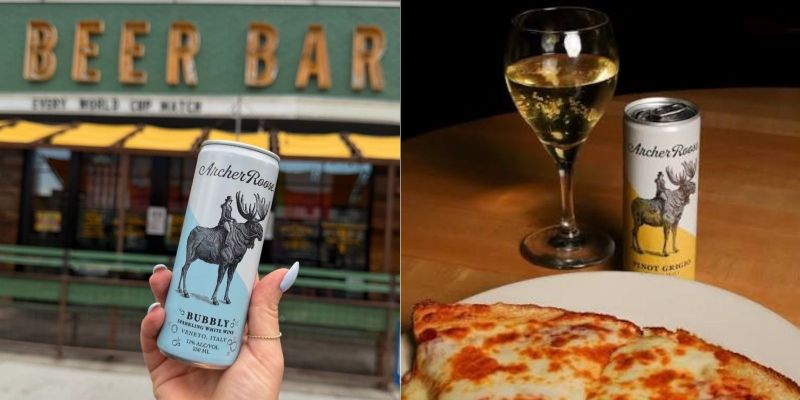
Megan Brodie, Head of Global Portfolio & Winemaking at Archer Roose Wines, discusses how sommeliers can communicate quality, provenance and sustainability while driving single-serve wine sales.
Single-serve wine is gaining ground across restaurants, hotels, entertainment venues and events as consumers seek greater convenience, flexibility and portion control. Yet for sommeliers and beverage directors, successfully introducing the format requires more than simply adding canned wine to the list. The wine must still deliver on quality, provenance and the overall guest experience.

Megan Brodie is the Head of Global Portfolio & Winemaking at Archer Roose Wines, where she oversees product development, quality, and winemaking partnerships across one of the most recognised premium canned wine brands in the market.
In this interview with Sommelier Business, Megan Brodie explains what hospitality professionals should understand about premium single-serve wine—from sourcing and production to service, storytelling and profitability. She also shares practical examples of how operators are using the format to reduce waste, expand their selections and generate stronger by-the-glass sales.
Single-serve wine is growing because it fits the way consumers are drinking today. People are looking for more convenience and flexibility, whether they’re enjoying wine at a restaurant, attending an event, traveling, or relaxing poolside at a hotel. A single-serve format allows them to enjoy wine in those moments without having to commit to opening a full 750 mL bottle.
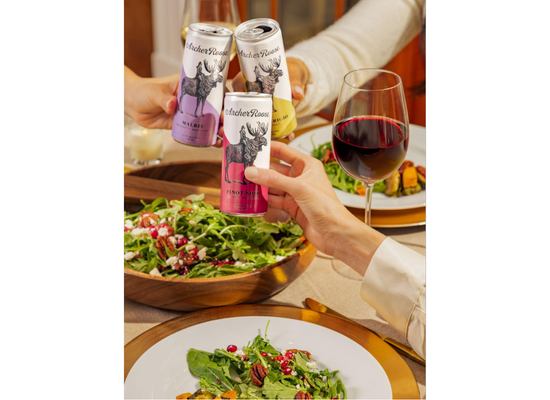
Cans can also pair well with salad in presentations.
It also naturally supports more moderate consumption. If you only want one glass, you can open a single can and not leave any wine to go to waste. You are ultimately getting the freshest glass of wine this way. I think sommeliers should be looking beyond the format and focusing on the quality of the wine itself. The package is simply another way of delivering that wine to the consumer.
There’s also a sustainability benefit to consider. Aluminum is significantly lighter than glass, which makes it more efficient to transport, and it has strong recycling potential. So, when you combine convenience, moderation, and a potentially lower packaging and transportation footprint, single-serve wine makes sense for both consumers and businesses.
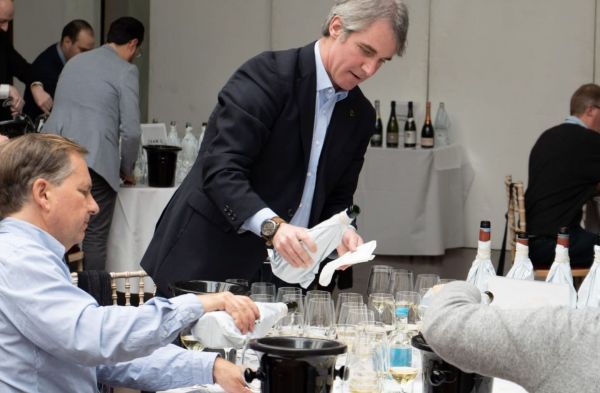
The best way to establish credibility is to take the packaging out of the equation. Blind tastings are a great way to do this because they allow the wine to be evaluated purely on its quality, without any preconceived ideas about what it should taste like based on the package.
Sommeliers can also serve the wine in a glass, just as they would any other wine. Once it’s in the glass, the focus shifts to what actually matters: the aroma, flavor, structure, mouthfeel, and overall quality of the wine.
Finally, look at how the wine performs when it's judged alongside other wines. Awards and competition results can be useful third-party validation of quality. Ultimately, the goal is to demonstrate that a great wine is a great wine regardless of whether it comes in a bottle or can. The proof is in the liquid, not the packaging.
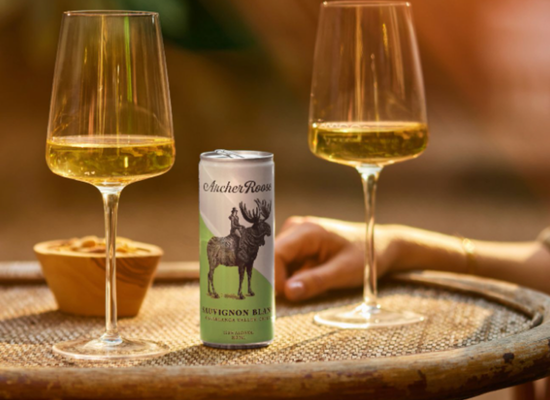
Sauvignon Blanc took home Wine of the Year: Chile at Sommeliers Choice Awards, plus a Gold Medal with 92 points. And our Rosé earned a Gold Medal with 91 points. These wines competed with all the bottled wines in the same way. This shows that our quality in the can was even better in this case, beating all wines in the bottle from Chile.
I often get asked, does canned wine taste metallic? And my question back is, does your can of Coke taste like metal?
We put the same level of care into our canned wines that we would into a bottled wine. I taste hundreds of wines from around the world, selecting the wineries and wines that I believe are the right fit for each varietal. I look for partners who follow sustainable vineyard and winemaking practices, use minimal intervention, and produce vegan wines. It is important to me that the wines genuinely showcase the expression of the region from which they are sourced.
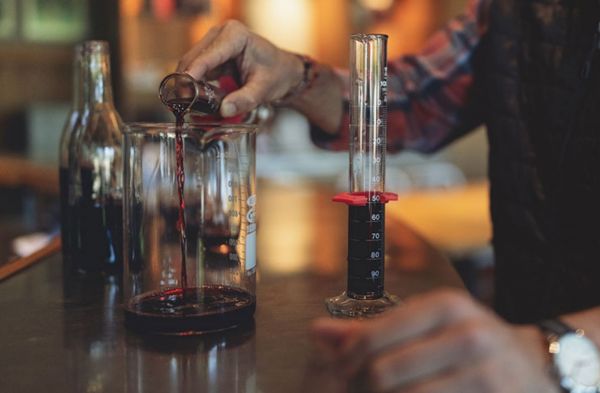
Once we identify the right wine and winery, I work closely with the winemaking team to evaluate the wine's analytical profile and develop the final blend. I have the ability to make adjustments to ensure the finished wine meets our quality standards and delivers the style we want the consumer to experience. We also pay close attention to how the wine will perform in the can, including pH, molecular SO2, oxygen management, stability, and shelf life. The goal is to make sure that the consumer experiences the same quality and character we intended when they crack open the can.
Wine intended for a can does require some different considerations because we are specifically designing the wine to be fresh, fruit-forward, and enjoyed young. The can’s low-oxygen environment is beneficial for preserving those fresh fruit and aromatic characteristics. From a technical perspective, we pay close attention to factors such as copper levels, free SO2, pH, oxygen management and overall stability. Managing these parameters helps protect both the wine and the can liner and ensures the wine maintains its freshness, aroma and flavor throughout its intended shelf life.
Ultimately, it is about designing the wine and the packaging to work together. When the wine is properly prepared and the right can and liner are selected, a can is an excellent format for preserving a fresh, vibrant, and consistent wine.
Wine tells a story, regardless of the format, so just as you would with any wine, I would lead with the varietal and then dive deeper into what makes that particular wine unique: where it comes from, how it was made, the winemaker behind it, and the people and place that shaped it.
At Archer Roose Wines, we place a lot of value on the roots of the wine and transparency, which is why we highlight our 4Ps on the back of every can: Practice, Place, People and Profile. We also share more in-depth information about our winemakers, wineries and vineyards on our website.
Convenience and occasion are certainly part of the appeal of single serve, but when presenting options to consumers at a restaurant or bar, the wine itself should always come first.
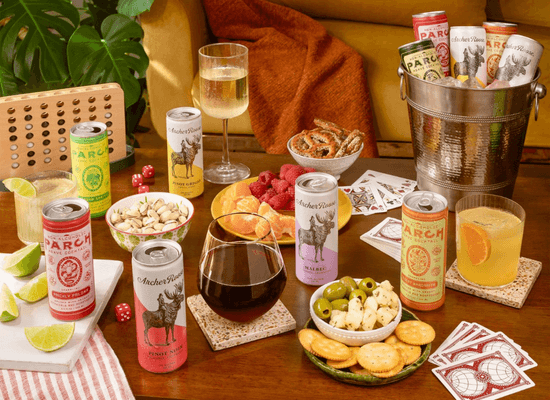
When being served in a restaurant or bar, we recommend presenting the can alongside the glass of wine and pouring the wine into proper stemware. The experience should mimic the traditional restaurant ritual of presenting a bottle before pouring the wine. This gives the guest an opportunity to see the packaging and learn more about the wine, including where it comes from, who the winemaker is, the winery, and the wine’s profile.
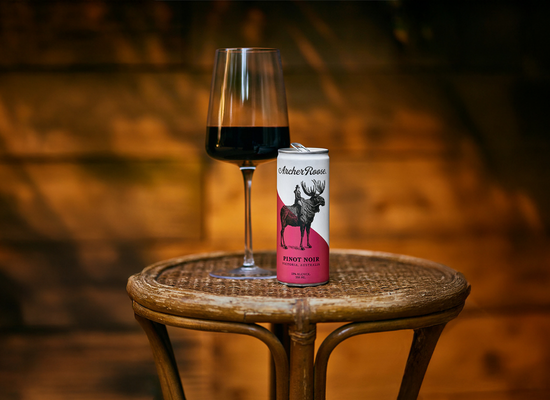
Idea pour is 150 ml into a glass and then leave the can next to the glass for the guest.
It is also a great opportunity for brand recognition. Seeing the can alongside the glass creates a stronger visual connection between the wine they are enjoying and the brand, while still allowing the wine itself to take center stage. Ultimately, the goal is to create the same sense of care and ceremony as traditional wine service, just in a single-serve format.
Single-serve wine creates an opportunity across a wide range of settings because it is such a flexible, on-the-go format. We see particularly strong opportunities in music venues, sporting arenas, poolside, outdoor events, and eatertainment venues such as Dave & Buster’s, where a traditional 750 mL bottle is not always practical. Specifically in hotels, we see great success when Archer Roose Wines is placed in the grab & go, as well as poolside or on patios and minibars. Ultimately, the opportunity is anywhere consumers want to enjoy quality wine, but where a single serving makes more sense than opening an entire bottle.
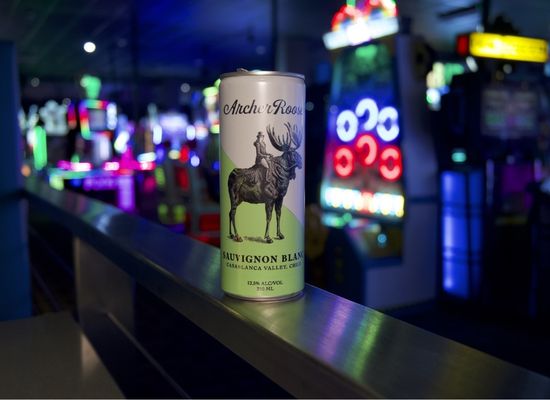
Archer Roose and Dave & Buster's Collaborate to Bring Quality Canned Wine to 150+ Entertainment Venues
Single-serve can give sommeliers more flexibility to expand their wine selection without increasing the risk of waste. Instead of having to commit to a full case of 750 mL bottles for every wine on the list, single serve allows them to offer a wider variety of wines and styles while managing portions.
It can also significantly reduce spoilage. Each can is a fresh, sealed serving, so there is no need to worry about a partially consumed bottle sitting open for days. This is particularly valuable for wines that may have lower turnover or for by-the-glass programs.
The key is to treat the wine with the same level of care as any other wine on the list. Serve it in proper stemware, tell the story of the wine, and focus on what's in the glass. The format can provide the operational benefits without compromising the experience.
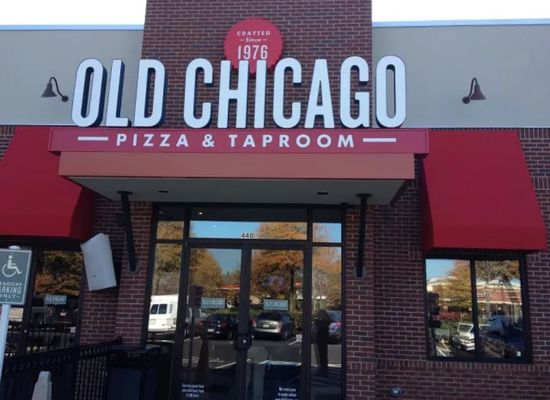
A great example is Old Chicago Pizza, where our Pinot Grigio became the #1 wine SKU across 54 locations when it launched in 2024. Increased volume from our wine garnered 20% of total wine sales and resulted in less waste, more consistent pours, and stronger by-the-glass profits. A digital campaign in the restaurants reached 650,000 guests and served 4.5M impressions, delivering brand consideration at the point-of-purchase.
Archer Roose Wines sells exceptionally well in stadiums like Barclays Center in Brooklyn, NY. Our Sauvignon Blanc and Pinot Noir have become top sellers. This is a high-volume arena with a concessions environment for concerts and Nets/Liberty basketball games where single-serve cans fit the fast-service, no-glass model. This is a great example of where speed-of-service matters as much as the quality of the liquid, and Archer Roose Wines is delivering on both.
1. Choose the right occasions. Look at where a single-serve format makes the most sense for your guests, whether that is by the glass, outdoor dining, poolside, events, minibars, or high-volume venues. The format works best when it solves a real need for convenience and portion control.
2. Treat canned wine the same as bottled wine. Present the can alongside the glass, serve it in proper stemware, and give the guest the same information you would with a bottle, including the varietal, region, winemaker, and story behind the wine. The quality of the wine should remain the focus.
3. Use single-serve wines to expand your selection while managing waste. This could be particularly compelling for Sommeliers/Beverage Directors. The single-serve format allows a business to offer more variety and control portions without the concern of an opened bottle sitting for days and going to waste. You can test consumer interest without the same commitment.
To measure success, look at sales velocity, repeat orders, reduced waste, profitability, and guest response. Ultimately, success is about whether the format is improving the guest experience while making the beverage program more flexible and profitable
As Brodie explains, the commercial opportunity for single-serve wine does not depend on replacing traditional bottled wine. It comes from giving hospitality operators another format that works in occasions where convenience, portion control, speed of service and reduced waste matter. For sommeliers and beverage directors, the opportunity is to apply the same standards of selection, storytelling and service they bring to every other wine—allowing the quality in the glass to define the guest’s perception of the category.
Megan Brodie is the Head of Global Portfolio & Winemaking at Archer Roose Wines, one of the most recognized premium canned wine brands in the market, where she oversees product development, quality, and winemaking partnerships, working closely with CEO and Founder Marian Leitner-Waldman and COO Jan Kotowski-Chan to shape the portfolio and select the wines that make it into the can.
With a background that spans viticulture, enology, brand building and technical innovation, Megan brings a rare blend of scientific expertise and commercial strategy to the evolving wine landscape. She has been instrumental in advancing the canned wine category through research-driven product development, collaborative innovation, and a strong commitment to sustainability. She co-founded the Canned Wine Consortium alongside Une Femme Wines, with Cornell University serving as a research partner, and helped lead award-winning research focused on sulfite interactions, packaging stability, and long-term product integrity, work that is helping establish best practices and quality standards for alternative wine formats across the category.
Her approach is grounded in science but guided by consumer behavior, enabling the development of wines and packaging formats that resonate with modern shoppers while supporting retailer category goals. By aligning technical rigor with commercial insight, Megan helps ensure Archer Roose Wines' portfolio delivers consistent quality, shelf readiness and strong in-market performance across multiple channels.
Also Read:
What Sommeliers Need to Do in the Next Six Weeks to Build Strong Holiday Beverage Sales
Stephen Towler MS On The Future Of Wine Education And The Modern Sommelier
How Restaurants Can Grow Beverage Sales Without Compromising Hospitality