Educating Sommeliers Worldwide.
By Beverage Trade Network
In the beverage business, we often use OND to describe October, November, and December. These three months bring corporate dinners, private events, family celebrations, larger groups, premium bottle purchases, and New Year’s Eve.
Guests are more willing to celebrate. They are more open to sparkling wine, cocktails, better bottles and recommendations from the restaurant team. But increased traffic does not automatically produce a successful beverage program.
Sommeliers and beverage directors now have approximately six weeks until October 1. This is the period to review the list, secure inventory, negotiate supplier support, develop holiday packages, and prepare the service team.
By October, the program should be ready to sell—not still being planned.
Before adding new wines or designing holiday cocktails, review what happened during the previous OND.
Look at:
- Total beverage revenue
- Beverage sales as a percentage of restaurant sales
- Wine sales by the glass and bottle
- Average bottle price
- Sparkling-wine sales
- Cocktail sales
- Premium spirits sales
- Non-alcoholic beverage sales
- Private-event beverage revenue
- Gross profit by category
- Slow-moving inventory
- Out-of-stock incidents
Do not look only at what sold. Try to understand why it sold.
Was a particular sparkling wine successful because of its price, staff recommendation or menu position? Did a premium red perform because it was paired with a popular steak? Did a holiday cocktail sell because it had a recognizable name and strong visual presentation?
The purpose of this review is to identify the products, occasions and selling methods that produced results.
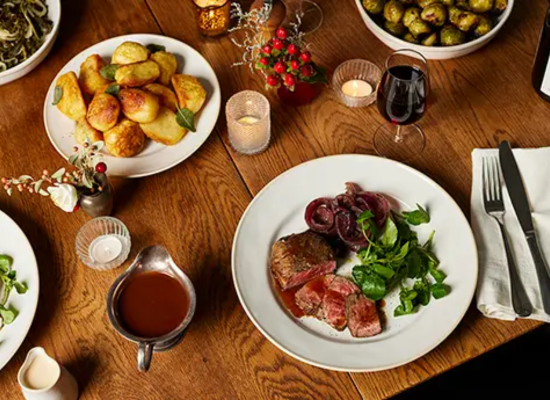
Chequer Lane in Dublin has already published its Christmas 2026 offering. Rather than presenting only a festive food menu, the restaurant tells organizers it can build a customized drinks offer incorporating sparkling wine, cocktails and complete wine pairings.
This is important because beverage revenue is being discussed at the point of inquiry—not after the food menu and event budget have already been finalized.
Source: Chequer Lane Christmas 2026.
A common mistake is to create one general holiday beverage program. OND contains several different occasions, and each requires its own offer.
The beverage needs of a corporate dinner are different from those of a couple celebrating on New Year’s Eve.
Build separate programs for:
- Corporate lunches and dinners
- Private dining and group bookings
- Thanksgiving menus
- Christmas parties
- Hotel banquets
- Family celebrations
- Client gifting
- New Year’s Eve
- After-work gatherings
- Guests who are not drinking alcohol
For private events, offer good-better-best beverage packages. Give the organizer clear options at different price points rather than asking them to build a wine selection from the full list.
A basic package could include an accessible sparkling wine, one white and one red. A premium package could offer Champagne, a better-known white, a premium red and an after-dinner drink.
The easier you make the decision, the faster the event can be sold.
Source: Ruth’s Chris holiday private-party incentives.
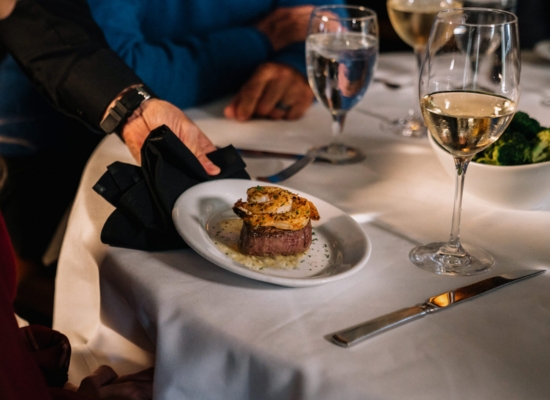
Ruth’s Chris is currently promoting incentives for holiday parties booked between August 1 and October 31. Qualifying events can receive benefits including upgraded bar packages, a sparkling-wine toast, complimentary hors d’oeuvres or dining certificates for a future visit.
This is a strong commercial model because the beverage offer is being used to secure the event early—not added after the booking is confirmed.
Holiday planning should not become an excuse to add unnecessary inventory.
Review the list for commercial gaps:
- Is there a sparkling wine for the opening toast?
- Is there a premium Champagne option?
- Do you have an accessible red for large dinners?
- Is there a food-friendly white for set menus?
- Can guests trade up within each category?
- Is there an attractive half-bottle or large-format option?
- Do you have a credible non-alcoholic sparkling wine?
- Is there a festive low-alcohol option?
- Can the team recommend an after-dinner drink?
- Are there wines suitable for corporate gifting?
Every product should have a purpose.
If you cannot explain where the wine fits, which dish it supports, who will order it, and how the staff will sell it, there may be no reason to add it.
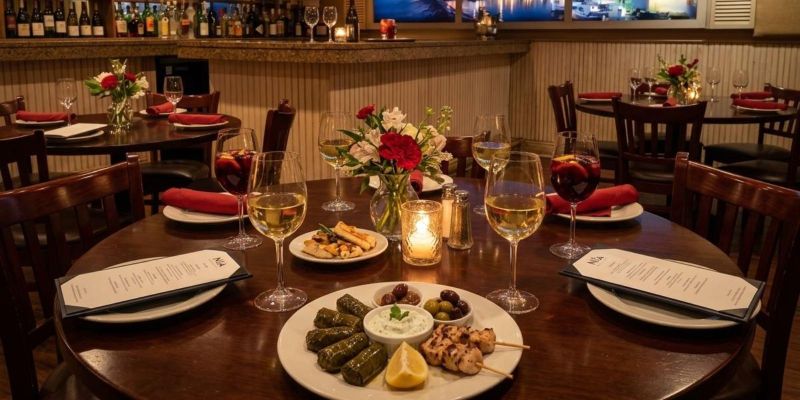
NIA Restaurant & Wine Bar in Chicago is already promoting corporate holiday parties and private dinners for the upcoming season.
Its offer includes chef-curated Mediterranean menus supported by wine, sangria, and customizable beverage packages. This allows the restaurant to tailor the drinks offer to the event size, guest preferences, and available budget.
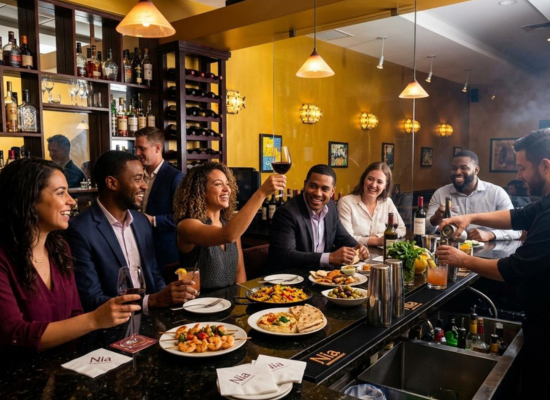
Source: NIA Restaurant & Wine Bar holiday events.
Week 1: Review the Numbers and Set the Targets
Begin with last year’s performance and current year-to-date results.
Set clear OND targets for:
- Total beverage revenue
- Beverage cost percentage
- Wine-by-the-glass sales
- Bottle sales
- Average bottle value
- Private-event revenue
- Sparkling-wine sales
- Cocktail revenue
- Non-alcoholic beverage sales
- Inventory turnover
Make the targets specific. “Sell more Champagne” is not a plan. “Increase sparkling-wine revenue by 15% while maintaining the target beverage cost” is measurable.
Share the goals with the restaurant manager, chef, events team, and service leaders. Beverage performance is not the responsibility of the sommelier alone.
The Grand Hotel Palatino in Rome has already published its Christmas 2026 lunch package with specific sommelier-selected wines.
The package includes a Spumante Pinot Nero Brut welcome and a Montepulciano d’Abruzzo paired with the meal. By including the wines in the advertised package, the hotel can forecast requirements, secure inventory, and communicate the complete value of the experience.
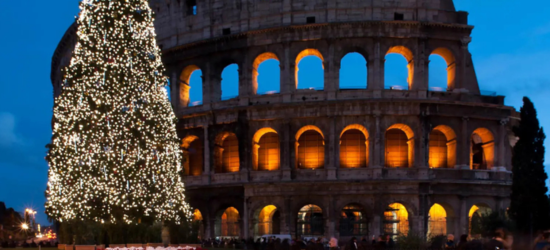
Source: Grand Hotel Palatino Christmas 2026.
Week 2: Finalize the List and Holiday Packages
Decide which products will be featured during OND.
Create:
- Holiday by-the-glass selections
- Private-dining wine packages
- Corporate event packages
- Seasonal cocktail features
- Thanksgiving pairings
- Christmas menu pairings
- New Year’s Eve selections
- Non-alcoholic celebration options
- Premium bottle recommendations
- Large-format and sharing options
Keep each program focused. Too many choices can make it harder for guests and event organizers to decide.
Every featured beverage should have a clear margin, service method, and sales target.
Week 3: Meet With Distributors and Suppliers
Now take the plan to your distributors, importers, and brand partners.
Tell them exactly what you need.
Ask about:
- OND inventory availability
- Vintage continuity
- Delivery schedules
- Volume pricing
- Depletion allowances
- Staff-training support
- Samples
- Winemaker or brand ambassador visits
- Menu and event support
- Glassware or service materials
- Large-format availability
- Gift packaging
- New Year’s Eve allocations
Do not accept a holiday placement if the supplier cannot maintain inventory. A successful promotion that runs out halfway through December creates a problem for the restaurant and disappoints the guest.
Prioritize partners that can support execution—not only offer a lower price.
Week 4: Build the Selling Tools
The team needs more than technical tasting notes.
For every featured beverage, prepare:
- A one-sentence description
- Three key selling points
- A recommended dish
- The ideal guest or occasion
- A trade-up recommendation
- The glass and serving temperature
- The story behind the producer
- An objection-handling answer
- An alternative for guests who want something different
The language should sound natural.
A server is more likely to remember “a fresh, mineral white that is excellent with the seafood course” than a long explanation of soil types and fermentation.
Also review how the beverages appear on printed and digital menus. Holiday selections should be easy to find and understand.
Week 5: Train the Team Through Tasting and Role-Play
Staff training should begin before the restaurant becomes busy.
Taste the featured wines, spirits, cocktails, and non-alcoholic drinks with the full service team.
Then move beyond tasting.
Ask staff members to practise:
- Recommending a wine for a particular dish
- Moving a guest from a glass to a bottle
- Offering a premium sparkling option
- Presenting a non-alcoholic alternative positively
- Recommending an after-dinner drink
- Explaining the difference between two price points
- Selling a beverage package to a large group
The purpose of training is not simply to increase knowledge. It is to increase confidence at the table.
A technically knowledgeable server who is uncomfortable making a recommendation will not improve sales. Give the team simple language they can use immediately.
Week 6: Test the Program and Verify Execution
Use the final week before October to test the entire system.
Confirm:
- Products have arrived
- Prices are entered correctly
- Menu descriptions are accurate
- Glassware is available
- Cocktails can be produced at speed
- Garnishes are practical during busy service
- Wine preservation systems are working
- Private-event packages are loaded into the sales system
- Staff training is complete
- Reorder points have been established
- Managers know which numbers to track
Run a mock holiday service if necessary.
Test how long it takes to prepare the seasonal cocktails. Test the by-the-glass wines after opening. Test how the team presents the private-event packages.
It is better to identify a problem in September than during a fully booked dinner in December.
Café Restaurant De Bazel in Amsterdam has opened bookings for Christmas 2026. The restaurant specializes in group reservations of between 10 and 150 guests and promotes the menu, wine pairing, and overall atmosphere as one complete event experience.
This shows why beverage planning cannot wait until December. Restaurants accepting larger group reservations need the food and beverage structure ready when inquiries begin.
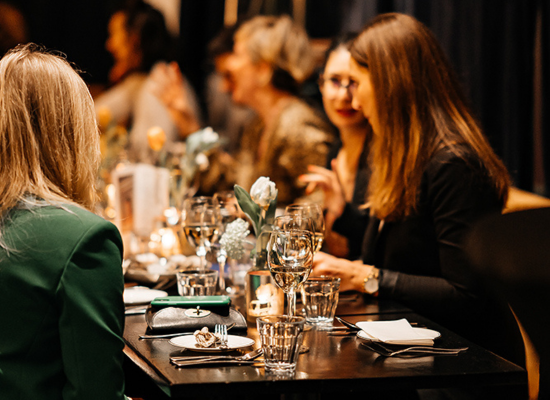
Source: Café Restaurant De Bazel Christmas 2026.
Recent restaurant activations show the value of connecting wine to a clear experience.
In March 2026, La Madeleine began testing a Parisian charcuterie board paired with Maison Louis Jadot Beaujolais-Villages and Mâcon-Villages Chardonnay across six Texas cafés. The wines were available by the glass, half-bottle, and full bottle, giving guests a clear pairing and several price points. Read about the partnership.
In 2025, Luna Omakase in London partnered with Château Mercian to create a limited 12-course Japanese wine-pairing experience. Four wines were selected to work with the menu, allowing guests to discover Japanese wine within the right culinary context. The wines later received further exposure within sister restaurants. Read about the Luna Omakase collaboration.
Bordeaux took a larger-scale approach with its 2025 Bordeaux by the Glass program. Approximately 100 restaurants and bars agreed to offer at least three Bordeaux wines by the glass, including an organic wine and an accessible option priced at no more than €5. The program also included promotional support and staff training from the Bordeaux Wine School. Read about Bordeaux by the Glass.
The common point is simple: the beverage was not left on the list waiting to be discovered. It was connected to a dish, format, price point, experience or staff recommendation.
Holiday guests are often more willing to spend, but the trade-up must be presented correctly.
Do not ask, “Would you like something more expensive?”
Instead, connect the higher-priced beverage to the occasion.
Try:
- “Would you like to begin with Champagne for the table?”
- “For the main course, I would recommend this bottle because it will work across both dishes.”
- “If you are celebrating, we also have this limited-production selection.”
- “For New Year’s Eve, this is the sparkling wine our sommelier has selected.”
- “We can also offer the wine in a magnum for the group.”
A premium recommendation should feel like an improvement to the experience, not simply an attempt to increase the bill.
A strong holiday beverage program must include guests who are moderating or not drinking.
Do not make the non-drinker feel like an afterthought with water, soda or a sweet mocktail.
Offer:
- Non-alcoholic sparkling wine
- Dealcoholized still wine
- Adult non-alcoholic aperitifs
- Food-paired zero-proof drinks
- Premium teas
- Fermented beverages
- Low-alcohol spritzes
- Smaller wine pours
These drinks should receive the same attention to glassware, temperature, description and presentation as alcoholic beverages.
A well-designed non-alcoholic pairing can also create incremental revenue from a guest who might otherwise order only water.
Track the Program Every Week
Once October begins, monitor performance weekly.
Track:
- Beverage revenue by category
- Beverage revenue per guest
- Wine attachment rate
- Glass-to-bottle conversion
- Average bottle price
- Private-event package sales
- Featured-product depletions
- Inventory remaining
- Reorders
- Gross profit
- Staff sales performance
- Out-of-stock products
- Waste and spoilage
October should be used to launch the program and correct execution problems.
November should focus on Thanksgiving, corporate events, private dining and early reorders.
December should focus on inventory protection, premium selling, Christmas celebrations and a separate New Year’s Eve push.
Do not wait until the end of December to review the results. By then, the opportunity to improve the program has passed.
A good wine list reflects knowledge, taste, and point of view. But during OND, the sommelier must also think like a commercial operator.
The questions are not only:
- “Is this a good wine?”
They are also:
- “Will the guest understand it?”
- “Can the server recommend it?”
- “Does it work with the menu?”
- “Can the supplier maintain stock?”
- “Does it deliver the right margin?”
- “Is there a clear occasion for it?”
At the Sommeliers Choice Awards, we evaluate wines through the lens of the restaurant and hospitality market. Quality matters, but restaurant success also depends on food pairability, typicity, value, packaging, and channel fit.
The same thinking should guide every holiday beverage decision.
The next six weeks will determine how well the restaurant performs during the final three months of the year. Review the numbers, build programs around real occasions, secure supplier support, and train the team before October arrives.
OND starts now.
— Sid Patel
CEO, Sommeliers Choice Awards
Header image source: NIA Restaurant & Wine Bar in Chicago
Also Read:
How Restaurants Can Grow Beverage Sales Without Compromising Hospitality
How Top Restaurants Choose Wines For Their Wine Lists
The Strategy Behind Luxury Hospitality with Pesqueira Global