Educating Sommeliers Worldwide.
By Beverage Trade Network
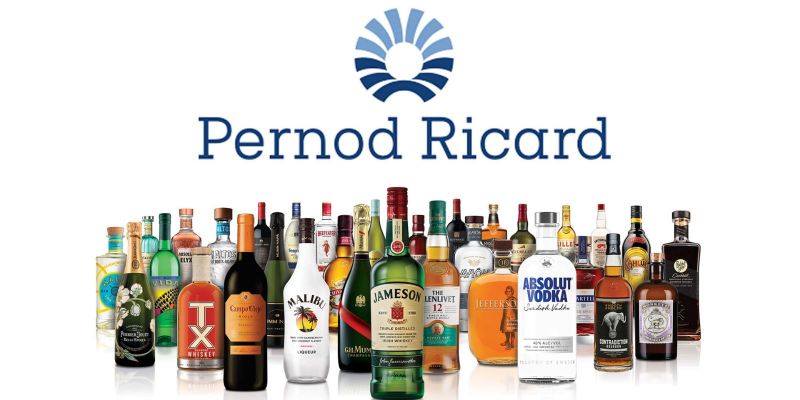
Pernod Ricard, the world’s second-largest Western spirits producer, has announced its decision to divest the bulk of its wine portfolio to Australian Wine Holdco Limited (AWL), the consortium behind Accolade Wines. This strategic move underscores Pernod Ricard’s commitment to concentrating on its core business of high-margin spirits while reshaping the landscape of the global wine market.
On July 17, 2024, Pernod Ricard confirmed its agreement to sell its Australian, New Zealand, and Spanish wine brands to AWL. Notable brands included in the deal are Jacob’s Creek, Stoneleigh, and Campo Viejo. This divestiture aligns with Pernod Ricard’s strategy to hone its portfolio toward premium spirits like Absolut Vodka and Martell cognac, which have shown robust growth potential. The transaction, pending regulatory approval, aims to enable Pernod Ricard to channel resources more efficiently into its core operations, driving growth and profitability.
Despite the divestment, Pernod Ricard will retain its champagne brands, such as Mumm, and its wine operations in the U.S., France, Argentina, and China. This selective retention reflects a targeted approach to focus on regions and products with higher profitability and strategic importance.
The sale highlights several critical trends in the global wine industry. Wine sales have faced significant challenges, including a supply glut and declining consumption in Western markets, where wine has lost ground to beer and spirits. In China, a previously high-growth market, wine consumption has also been shrinking.
AWL’s acquisition of Pernod Ricard’s wine assets aims to create a more efficient and diversified global wine business. By merging these assets with Accolade Wines, AWL plans to develop a robust portfolio that includes both Old and New World labels, positioning the combined entity to better navigate the complexities of the global wine market.
For sommeliers, this shift presents both opportunities and challenges. The consolidation of Pernod Ricard’s wine assets under AWL could lead to greater consistency and quality control across the brands, as they benefit from focused management and resources dedicated to wine production. Sommeliers may see improved availability and potentially enhanced marketing efforts for brands like Jacob’s Creek and Campo Viejo, making it easier to recommend and source these wines for their clientele.
However, the transition also raises concerns about brand identity and continuity. Sommeliers who have built strong associations with these brands under Pernod Ricard might need to adapt to the new ownership and any changes in brand positioning or distribution strategies. The focus on spirits by Pernod Ricard might also shift market dynamics, pushing sommeliers to adjust their wine lists and offerings to align with changing consumer preferences and availability.
Joshua Hartz, a spokesperson for AWL, emphasized that combining Accolade Wines with Pernod Ricard’s assets would create a more financially sustainable and adaptable business. This integration is expected to bolster the entity’s ability to meet evolving consumer tastes and address the structural challenges facing the global wine industry.
The backing by U.S. private equity giant Bain Capital and other funds suggests significant investment and strategic oversight in the combined wine business. For sommeliers, this could translate into a more dynamic and responsive wine market, with increased innovation and potentially more competitive pricing.
In sum, Pernod Ricard’s decision to divest a substantial portion of its wine portfolio to AWL marks a significant shift in the wine and spirits industry. While Pernod Ricard intensifies its focus on premium spirits, the new ownership under AWL promises to invigorate the wine brands with dedicated resources and strategic vision. Sommeliers will need to stay attuned to these changes, leveraging the potential benefits while navigating the evolving landscape to continue delivering exceptional experiences to wine enthusiasts.