Educating Sommeliers Worldwide.
By Beverage Trade Network

One of the most revealing sentences a sommelier can hear is: “I usually drink Sauvignon Blanc.” It may sound like a request for a familiar bottle, but the guest could really be seeking freshness, citrus, acidity, aromatic intensity, or reassurance. The opportunity is to identify those preferences without either repeating the same recommendation or suggesting something so unfamiliar that it feels risky.
The timing is strong. National Restaurant Association research found that 72% of consumers see restaurants as good places to discover beverages they have never tried, while 54% enjoy being adventurous when choosing drinks. WSET has also identified by-the-glass programmes as an increasingly important gateway to wine discovery, particularly through smaller pours, flights and rotating selections. Guests are open to exploration, but they need reassurance and an accessible route forward.
Wine discovery works better as a ladder than a leap. A guest who enjoys Cloudy Bay Sauvignon Blanc already understands vibrant acidity, citrus and aromatic freshness. Those qualities can bridge to Santorini Assyrtiko, Valdeorras Godello and, eventually, the volcanic whites of Mount Etna. Cloudy Bay itself describes Sauvignon Blanc through vibrant acidity and citrus-driven freshness, making it a useful sensory anchor. The goal isn't to showcase obscure bottles. It is to make unfamiliar wine feel logical, approachable, and worth exploring.
Source: Tim Durand
Sommeliers naturally become excited by discovery. A bottle from a tiny appellation, an indigenous grape, or an unusual winemaking technique can be far more interesting professionally than recommending another globally recognizable variety. The enthusiasm is valuable, but it can occasionally create a disconnect between the person selling the wine and the person buying it.
Imagine a guest who regularly drinks Pinot Grigio being immediately offered a skin-contact Ribolla Gialla with extended maceration, or a Cabernet Sauvignon drinker being steered directly towards a highly tannic Sagrantino. The wines may be excellent, but almost every variable has changed at once: grape, region, flavour profile, structure and perhaps even price. What feels adventurous to the sommelier can feel risky to the guest.
A discovery ladder reduces that risk by changing one or two variables at a time. The question is therefore not, “What unusual wine can I sell this person?” but rather, “What is the next logical wine from where this person is standing?” That small shift in thinking can completely change how adventurous wines perform on a restaurant list.
Source: CNA Luxury
Every discovery ladder needs an anchor, and the best anchors are wines guests can easily describe, even if they have little technical wine knowledge. Sauvignon Blanc, Pinot Grigio, Chardonnay, Provence rosé, Pinot Noir, Malbec, and Cabernet Sauvignon work particularly well because customers often arrive with an established expectation of how these wines should taste. The next rung is the bridge. It should introduce something new without removing every familiar reference point.
Consider the progression Sauvignon Blanc → Assyrtiko → Godello → Carricante.
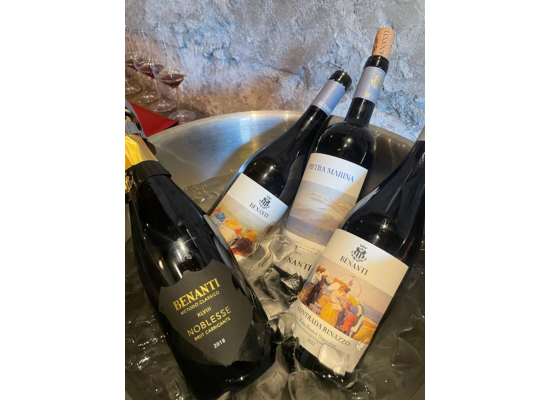
A guest familiar with Marlborough Sauvignon Blanc might first be offered Assyrtiko because its brightness, citrus character, and strong acidity provide an understandable connection. A wine such as GAIA Assyrtiko Wild Ferment introduces Santorini and volcanic terroir while maintaining freshness; GAIA produces the wine from Assyrtiko grown in Santorini's Pyrgos area, giving the sommelier a compelling story without losing the sensory bridge. From there, Godello introduces greater texture and breadth. Rafael Palacios As Sortes, produced from old Godello vineyards in Valdeorras, provides an excellent high-end reference for showing what the variety can achieve while maintaining enough acidity and mineral character to connect with the previous step. Carricante can then become the discovery rather than the gamble. Benanti Etna Bianco, made entirely from Carricante, retains acidity, salinity and mineral tension but takes the conversation into the volcanic landscape of Etna. For a more ambitious progression, Benanti Pietra Marina demonstrates just how serious and age-worthy Carricante can become. The guest has travelled from Marlborough to Santorini, north-western Spain and Sicily, yet every step has contained something recognizable from the wine before it.
Source: Corkscrew Cellars
Traditional wine education teaches geography because geography matters enormously to wine. Guests, however, rarely begin a conversation by saying they would like to progress from Marlborough to Santorini and then Valdeorras. They say they want something crisp, creamy, aromatic, light, juicy, rich, or powerful. Use that language as the foundation of the discovery ladder.
For a Pinot Grigio drinker, the progression could be Pinot Grigio → Vermentino → Albariño → Etna Bianco. A familiar bottle such as Santa Margherita Pinot Grigio creates the starting point, while Argiolas Costamolino Vermentino can introduce Mediterranean character without sacrificing freshness. Pazo de Señorans Albariño takes the guest further towards texture, salinity, and aromatic complexity before Carricante introduces another level of mineral tension.
Chardonnay requires a slightly different conversation because the category contains dramatically different styles. Someone who enjoys richer, barrel-influenced Chardonnay might progress through Chardonnay → white Rhône blend → Godello → Timorasso. Rather than recommending according to grape alone, the sommelier is following texture. A richer Chardonnay can lead into a Marsanne-Roussanne-based Rhône white, then towards Godello and eventually Piedmont's Timorasso, where producers such as Walter Massa have helped demonstrate the depth and ageing potential of the variety.
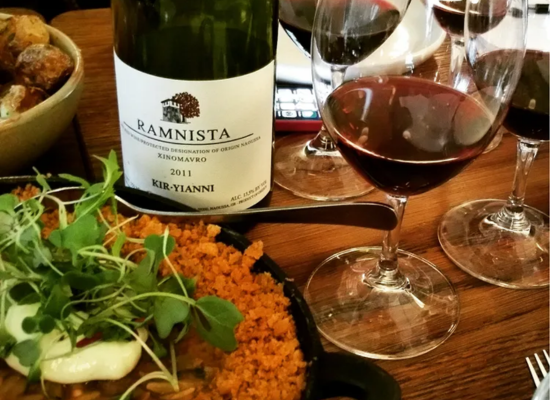
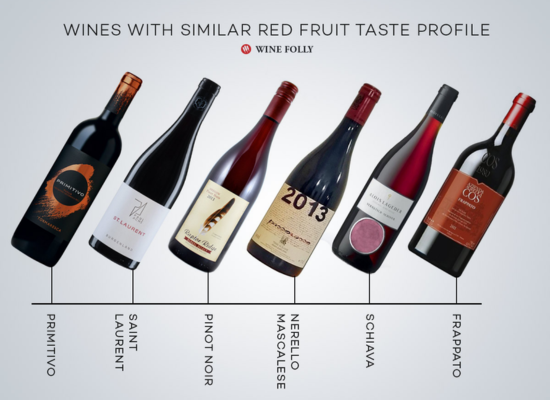
Red wine ladders can be equally effective. A Pinot Noir drinker interested in fragrance, red fruit and moderate body might move through Pinot Noir → Mencía → Nerello Mascalese → Xinomavro. Descendientes de J. Palacios Pétalos can introduce Mencía, while producers such as Passopisciaro provide an entry into Etna's Nerello Mascalese. From there, a wine such as Kir-Yianni Ramnista can introduce Xinomavro's savoury complexity and firmer structure without making the transition feel completely disconnected.
Source: Wine Folly
This is where staff training becomes essential. A discovery ladder becomes dangerously simplistic if servers merely memorize that “Sauvignon Blanc drinkers should drink Assyrtiko.”
The most valuable follow-up question is often: “What do you enjoy most about Sauvignon Blanc?”
One guest might say citrus and freshness. Another may prefer tropical fruit. Someone else might like the herbal character of Marlborough Sauvignon Blanc, while a Sancerre drinker may be searching for restraint, minerality, and texture.
Those answers create different paths. Wine teams should therefore be trained around three pieces of information for every adventurous bottle: which familiar wine it can follow, which recognizable characteristic it retains, and which new characteristic it introduces. This turns a recommendation from a lecture into a reassuring proposition. Instead of telling the guest, “Carricante is an indigenous Sicilian grape grown on volcanic soils,” the sommelier can say, “If you enjoy the freshness and citrus character of Sauvignon Blanc but want something more mineral and savoury, this is a great direction to go.” The technical information can come afterwards, once curiosity has already been created.
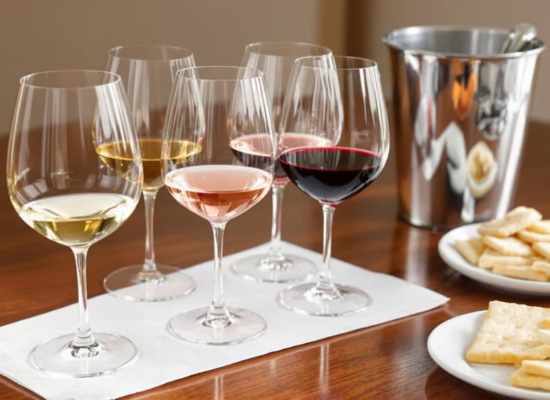
Source: Wine Travel Guides
There is another reason guests retreat towards familiar names: unfamiliar wine can be financially risky. Asking somebody to spend heavily on a bottle they have never tasted requires substantially more trust than asking them to try 60ml. That makes the by-the-glass program one of the most powerful tools in a discovery strategy. Restaurants can create 60ml or 75ml discovery pours, three-wine flights, rotating “sommelier pours” or progressive pairing experiences. Instead of selling one glass of Sauvignon Blanc, a restaurant might offer a miniature Mediterranean white ladder beginning with Assyrtiko, moving into Godello and finishing with Carricante.
Premium preservation systems also make it possible to include more ambitious wines within this model. The aim is not necessarily to make every obscure bottle permanently available by the glass, but to create enough low-risk opportunities for the guest to say yes. The same strategy can work particularly well with powerful reds. A Cabernet Sauvignon drinker could gradually move towards Cabernet Franc and then Aglianico before encountering Sagrantino. Mastroberardino Radici Taurasi, made from Aglianico, provides a serious reference point for the former, while Arnaldo Caprai 25 Anni, produced entirely from Sagrantino, can represent the adventurous end of the ladder. A full bottle of Sagrantino may feel intimidating. A carefully introduced tasting pour after something structurally familiar feels like discovery.
A discovery ladder should extend beyond the sommelier’s recommendations and become part of the wine list itself. Regional organization remains valuable, especially in serious programs, but prompts such as “If you like Sauvignon Blanc, try…” flavour symbols and sections including Fresh & Familiar, A Little Further and For the Curious can make unfamiliar bottles feel more approachable. The aim is not to remove terroir or appellation, but to offer guests several ways into the list. Restaurants should also monitor which recommendations lead to further exploration. If Assyrtiko converts Sauvignon Blanc drinkers or Pinot Noir guests move towards Nerello Mascalese, the strategy is influencing behaviour. The best discovery feels natural rather than forced. Trust grows through carefully judged steps, thoughtful pricing, smaller pours and attentive questioning. Familiar wines should not be treated as limitations, but as starting points. When guests learn to trust the next recommendation, curiosity begins to outweigh caution, opening the door to the entire cellar.
Header image source: Pavel Danilyuk
Also Read:
What Sommeliers Need to Do in the Next Six Weeks to Build Strong Holiday Beverage Sales
How Top Restaurants Choose Wines For Their Wine Lists
Footfall Is Down in U.S. Restaurants. Here’s What That Really Means for the Industry