Educating Sommeliers Worldwide.
By Beverage Trade Network
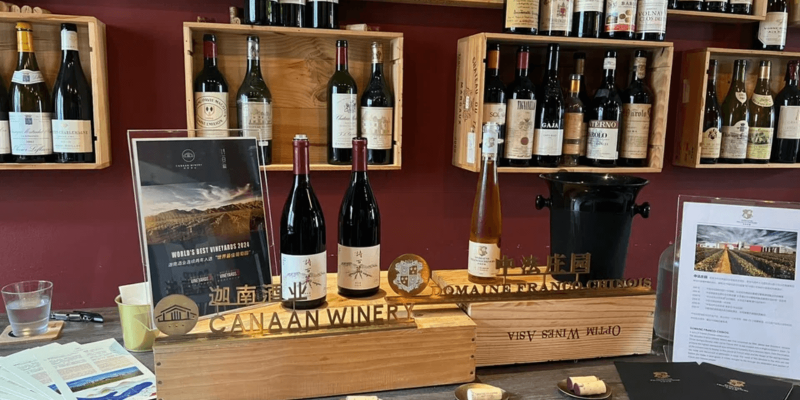
For decades, the world's fine wine trade revolved around a relatively stable group of markets. The United States, the United Kingdom, France, Germany, Japan, and later Hong Kong served as the principal engines of demand, absorbing premium allocations from Bordeaux, Burgundy, Tuscany, Napa Valley, and Champagne. Producers structured export strategies around these established markets, supported by a dependable network of collectors, investors, specialist merchants, and high-end restaurants. However, the landscape is evolving. Many traditional wine-consuming nations are experiencing slower growth as changing lifestyles, demographic shifts, inflationary pressures, and a growing preference for moderation influence purchasing behaviour. Industry data from IWSR indicates that consumption growth has softened across several mature markets, prompting producers to reassess where future opportunities may emerge.
At the same time, a new wave of affluent consumers is driving demand in Asia and the Middle East. Rising incomes, urbanisation, luxury tourism, and greater exposure to international food and wine culture have accelerated interest in premium wine across cities such as Mumbai, Seoul, Bangkok, Ho Chi Minh City, and Dubai. Major wine companies, including LVMH Wines & Spirits, Treasury Wine Estates, and Pernod Ricard, are investing heavily in these regions through education, distribution, and brand-building initiatives. Importantly, these markets are doing more than adding new customers; they are reshaping how producers approach pricing, marketing, consumer engagement, and luxury positioning. The result is a more diverse and increasingly influential global fine wine marketplace.
Across Southeast Asia, Vietnam and Thailand are attracting growing attention from wine producers seeking exposure to some of the region's fastest-growing luxury markets. Although neither country has a deeply entrenched wine-drinking tradition, both have benefited from strong economic growth, expanding middle and upper-income populations, and an increasingly sophisticated hospitality sector. Vietnam's transformation has been particularly striking. The country's economic expansion has fuelled the rise of affluent urban consumers who are increasingly engaging with international luxury products and experiences. Fine-dining restaurants, luxury hotels, and premium retail outlets in Ho Chi Minh City and Hanoi have created an environment in which imported wines are becoming more visible and accessible. Bordeaux, Burgundy, Champagne, and premium New World wines have all benefited from this trend, particularly among younger professionals and entrepreneurs seeking products that reflect international lifestyles and aspirations.
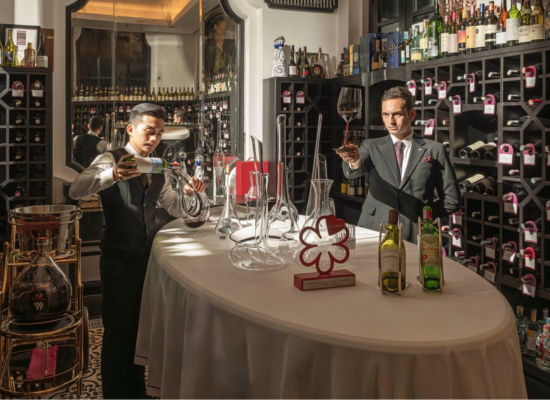
Source: InterContinental Danang
Thailand's opportunity is shaped by a slightly different set of dynamics. The country's status as a global tourism destination has created a sophisticated hospitality infrastructure that consistently drives demand for imported wine. International hotel groups, including Accor, InterContinental Hotels Group, Hyatt, and Marriott, have expanded premium wine offerings across their properties, while Bangkok has emerged as one of Asia's most vibrant fine-dining destinations. For wine producers, both markets highlight the growing importance of storytelling and consumer engagement. Success often depends less on traditional advertising and more on creating experiences that connect consumers with producers, regions, and heritage. Educational events, food pairing experiences, and direct engagement with sommeliers frequently play a more influential role in purchasing decisions than conventional marketing campaigns.
Few countries generate as much discussion among wine executives as India. Despite accounting for a relatively modest share of global wine consumption, the country is widely viewed as one of the industry's most important long-term opportunities. The combination of a vast population, a rapidly expanding affluent class, and growing interest in luxury experiences creates an attractive foundation for future growth. India's luxury hospitality sector has played a central role in introducing consumers to premium wine. International hotel groups such as Marriott International, Four Seasons, and Hyatt, alongside domestic luxury operators including Taj Hotels and The Oberoi Group, have invested heavily in wine programmes, sommelier training, and curated dining experiences. In major urban centres such as Mumbai, Delhi, Bengaluru, and Hyderabad, wine is increasingly positioned as part of a broader luxury lifestyle rather than simply another alcoholic beverage.
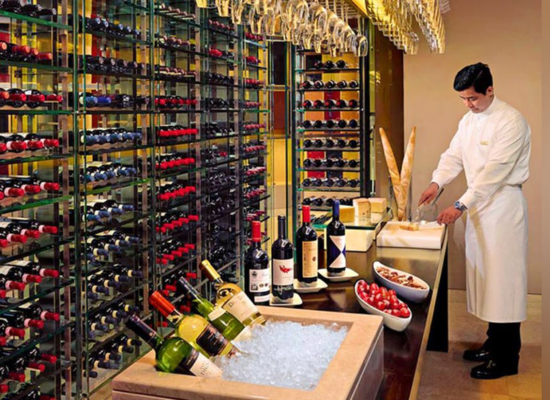
Source: The Oberoi Mumbai
However, India remains one of the most challenging wine markets in the world. High import duties, complex state-level regulations, logistical hurdles, and fragmented distribution systems continue to limit accessibility and profitability. Consequently, many international producers have adopted a patient approach focused on long-term brand building rather than immediate commercial returns. This strategy is evident in the growing emphasis on wine education. Masterclasses, trade tastings, consumer events, and sommelier partnerships have become critical tools for market development. Producers increasingly recognise that cultivating wine knowledge today is essential for creating sustained demand tomorrow. For many global brands, success in India is less about achieving short-term sales targets and more about establishing credibility and relevance among consumers who are only beginning their wine journey.
Among Asia's emerging wine markets, South Korea stands apart because it has already completed much of the transition from developing market to mature wine destination. Over the past decade, wine has become firmly embedded within the country's luxury consumption landscape, supported by a highly educated consumer base and a growing interest in premium products. What distinguishes South Korea is the level of sophistication among wine buyers. Consumers increasingly demonstrate detailed knowledge of appellations, producers, vintages, and production methods. While prestigious labels from Bordeaux and Burgundy continue to command strong demand, there is also growing interest in smaller producers, sustainability initiatives, and lesser-known wine regions. This evolution reflects a market that is moving beyond status-driven purchasing toward a deeper appreciation of authenticity and craftsmanship.
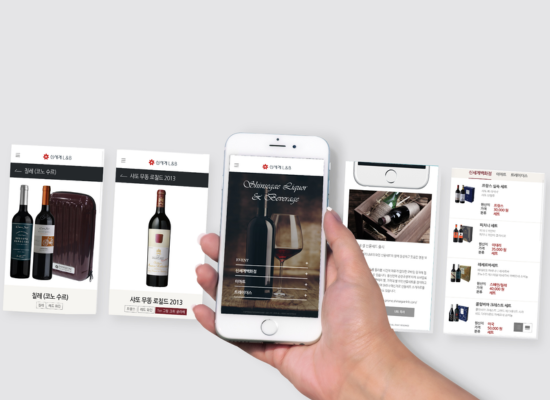
Source: Wine21.com
The rise of wine collecting has further strengthened demand for fine wine. Premium department stores, specialist retailers, and importers have expanded their offerings to meet growing interest from affluent consumers seeking investment-grade wines and rare allocations. Companies such as Shinsegae L&B and Keumyang International have played a significant role in broadening access to premium labels while helping to cultivate a more knowledgeable consumer base. For international producers, South Korea offers valuable lessons about market evolution. As consumers become more informed, brand prestige alone becomes less influential. Detailed narratives about terroir, sustainability, family ownership, and winemaking philosophy increasingly shape purchasing decisions. Producers capable of delivering authenticity and transparency are often better positioned than those relying solely on luxury branding.
Perhaps the most surprising development in global fine wine demand has been the emergence of the Middle East as a major luxury wine destination. While regulatory frameworks vary across the region, the Gulf states, particularly the United Arab Emirates, have become increasingly important markets for premium and ultra-premium wine. The growth of luxury tourism has been a key driver. Dubai and Abu Dhabi have established themselves as global hospitality hubs, attracting affluent travellers, international business leaders, and high-net-worth individuals from around the world. This concentration of wealth has created significant opportunities for producers of fine wine, particularly within the hospitality sector.
Luxury properties operated by brands such as Jumeirah, Mandarin Oriental, Atlantis Resorts, Four Seasons, and Ritz-Carlton have developed sophisticated wine programmes designed to meet the expectations of an international clientele. The upcoming opening of Wynn Al Marjan Island in Ras Al Khaimah is expected to further elevate the region’s luxury hospitality landscape. As one of the most anticipated integrated resort developments in the Middle East, the project is likely to create new opportunities for premium wine promotion through high-end dining venues, curated wine programmes, and international hospitality experiences designed to attract affluent global travellers.
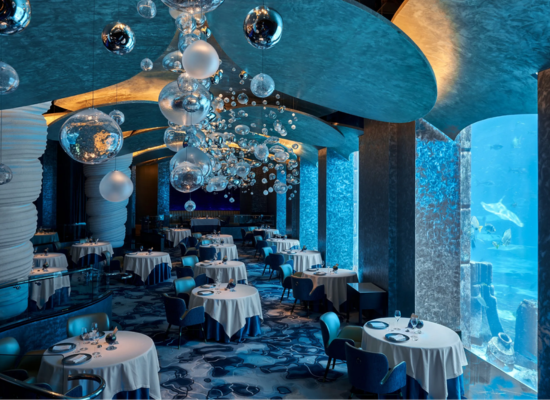
Source: Atlantis Resorts
Unlike many traditional wine markets, where retail channels dominate sales, the Gulf region remains heavily influenced by on-premise consumption. As a result, relationships with hospitality operators often carry greater strategic importance than conventional distribution agreements. Producers that secure placements in leading hotels and restaurants frequently gain access to some of the region's most influential consumers. This focus on experience rather than volume has also strengthened demand for luxury wines. First-growth Bordeaux, prestige Champagne, iconic Italian estates, and cult California producers often find enthusiastic audiences among consumers seeking exclusivity and exceptional service.
The rise of India, Vietnam, Thailand, South Korea, and the Middle East is reshaping the strategic priorities of wine producers across the globe. Rather than concentrating resources exclusively on traditional export destinations, producers are increasingly adopting more diversified market portfolios designed to capture growth wherever it emerges. This shift is influencing everything from allocation strategies to marketing investments. Educational content, experiential events, and hospitality partnerships are becoming central pillars of international expansion plans. Producers are dedicating greater resources to market development initiatives that may not deliver immediate returns but are essential for building long-term demand. At the same time, emerging markets are encouraging a more nuanced understanding of luxury. Consumers in these regions often approach wine through the lens of lifestyle, travel, gastronomy, and personal discovery. As a result, successful brands are those capable of adapting their narratives to local cultural contexts while maintaining a consistent global identity.
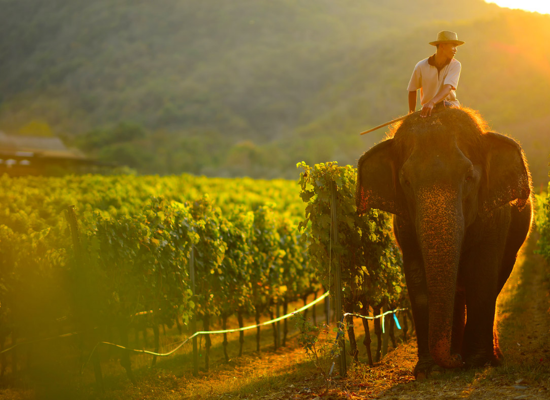
Source: Remote Lands
The global fine wine industry is entering a new era in which growth is increasingly driven by a broader and more diverse range of markets rather than a handful of traditional consumption centres. The rise of these emerging regions reflects profound shifts in wealth creation, consumer aspirations, luxury spending, and hospitality development. While each market presents unique opportunities and challenges, together they are reshaping how producers, distributors, and hospitality operators approach international expansion and brand building. Success in this evolving landscape will require more than exceptional wines; it will demand cultural awareness, strategic investment, consumer education, and long-term relationship building. As demand becomes more geographically dispersed, businesses that adapt to local market dynamics while maintaining strong global brand identities will be best positioned to thrive. Ultimately, the future of fine wine will be defined by agility, innovation, and the ability to engage with a new generation of consumers across multiple regions worldwide.
Header image source: Business Times
Also Read:
Crafting the Ultimate Wine List: A Data-Driven Approach
Wine & Wellness: Integrating Low-Alcohol, No-Alcohol & Functional Pairings
Enhancing Wine Sales Through Strategic Design