Educating Sommeliers Worldwide.
By Beverage Trade Network
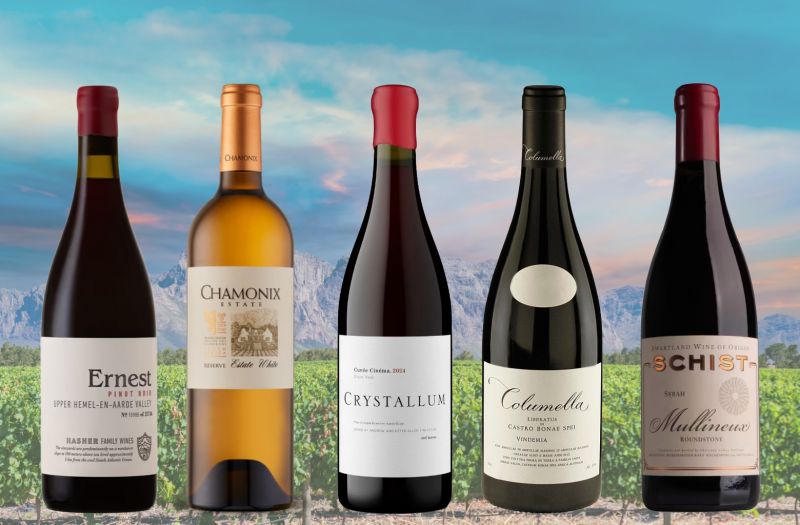
As South Africa's wine industry continues to evolve, it presents an exciting opportunity for culinary enthusiasts and restaurateurs alike to explore the pairings between South African wines and global cuisines. The diverse landscapes and climates of South Africa yield an array of wines, each with its own unique characteristics. This exploration is not just about finding the right bottle; it's about creating memorable moments at the table through thoughtful pairings that celebrate both the wine and the food.
Understanding the essence of South African wines begins with its terroir. South Africa’s wine-producing areas, such as Stellenbosch, Franschhoek, and the Cape Winelands, are characterized by their diverse soils and microclimates. This variety allows for the cultivation of numerous grape varieties, each thriving in its specific environment.
For instance, the Stellenbosch region is renowned for its Cabernet Sauvignon, which benefits from the warm days and cool nights, enhancing the grape's ripeness while retaining acidity. On the other hand, the cooler climate of Walker Bay is ideal for producing exceptional Pinot Noir and Chardonnay. By understanding these regional characteristics, one can make informed decisions when pairing wines with food, ensuring that the chosen wine complements the dish's flavors rather than overpowering them.
Chenin Blanc is often hailed as South Africa's flagship white wine, showcasing a remarkable versatility that makes it a perfect companion for various cuisines. Its vibrant acidity and fruit-forward profile can enhance dishes ranging from seafood to spicy Asian fare. For example, a well-crafted Chenin Blanc pairs beautifully with grilled prawns dressed in a zesty lemon and herb marinade. The wine's crispness cuts through the richness of the prawns, while its fruity notes complement the dish's freshness.
Furthermore, Chenin Blanc shines alongside traditional South African dishes like bobotie, a spiced meat dish topped with an egg custard. The wine's inherent sweetness balances the dish's savory spices, creating a harmonious dining experience. Exploring these classic pairings not only highlights the complexity of South African wines but also celebrates the culinary traditions that define the region.
South African red wines, particularly those made from Shiraz and Cabernet Sauvignon, are known for their bold flavors and structured tannins. These wines can hold their own against hearty dishes, making them ideal for pairing with grilled meats and rich stews. A robust Shiraz, with its notes of black pepper and dark fruit, complements the smoky flavors of a barbecued lamb chop, creating an unforgettable harmony on the palate. Additionally, Cabernet Sauvignon's deep, rich character can enhance the flavors of a well-aged steak. When paired with a peppercorn sauce, the wine's tannins soften, allowing the dish's savory elements to shine.
As global cuisine becomes increasingly popular, the opportunities for pairing South African wines with international dishes expand significantly. For instance, the rise of Mediterranean cuisine, with its emphasis on fresh ingredients and vibrant flavors, offers a perfect canvas for South African wines. A crisp Sauvignon Blanc from the Cape can enhance a Mediterranean salad adorned with feta cheese, olives, and sun-dried tomatoes, highlighting the wine's citrus notes while complementing the dish's saltiness. The growing trend of fusion cuisine also invites innovative pairings. For instance, a South African Pinotage, a unique varietal with smoky undertones, paired with Korean barbecue. The wine's complexity can stand up to the bold flavors of marinated meats, while its fruitiness can balance the spiciness of the dishes.
As the landscape of wine and food pairing evolves, so does the importance of education in mastering these combinations. Wine tasting events, workshops, and online courses are becoming increasingly popular, providing valuable insights into the nuances of different varietals and their ideal pairings. By understanding the fundamental principles of flavor profiles, acidity, and tannin structure, enthusiasts can make informed choices that enhance their dining experiences.
Moreover, restaurants are increasingly incorporating wine education into their service models, training staff to offer personalized pairing suggestions based on guests' preferences. And when guests feel confident in their choices, they are more likely to explore new pairings.
As the conversation around sustainability in the wine industry continues to grow, South African winemakers are leading the charge with innovative practices that prioritize environmental stewardship. Many vineyards are adopting organic and biodynamic farming methods, which not only enhance the quality of the grapes but also contribute to the overall health of the ecosystem. Wines produced with minimal intervention often showcase a greater expression of terroir, allowing for more authentic pairings with local dishes. For instance, a sustainably produced Cabernet Sauvignon may carry distinct notes of the region's soil, making it an ideal match for a dish that reflects the same sense of place.
As the wine industry continues to innovate and adapt, embracing education, sustainability, and global influences will empower sommeliers and culinary creators to craft experiences that resonate with diners. Ultimately, the mastery of pairing is about more than just the wine; it’s about creating connections, sharing stories, and enjoying the journey of flavors that South Africa and the world have to offer.
Header image sourced from muitiple websites.