Educating Sommeliers Worldwide.
By Beverage Trade Network
A successful restaurant wine program needs to work for the people ordering from it. Guests arrive with different budgets, preferences, and levels of knowledge. Helping them find something they enjoy requires thoughtful buying, confident staff, and an approachable conversation.
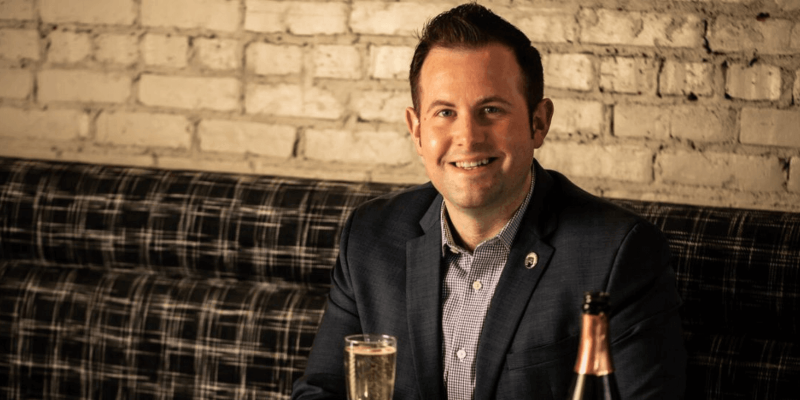
For Paul Solomon, Director of Operations at Vistro Prime in Hinsdale and Petite Vie in Western Springs, working alongside Chef Paul Virant, those decisions are part of everyday restaurant management. Solomon also serves as a judge at the Sommeliers Choice Awards.
In his interview responses, he discusses small samples, half pours, tailored staff training, and regular reviews of wine sales. Below, Sommelier Business explores his answers and what fellow sommeliers can take from them.
Paul’s answer, paraphrased: He asks what guests like to drink at home, then explores the structure they enjoy—for example, whether they prefer light-bodied or full-bodied wines.
Insight for sommeliers: A guest does not need to know grape varieties or regions to give you useful information. Their usual drink and preferred weight of wine can provide a starting point for a recommendation.
This approach also makes the conversation easier to enter. Ask a familiar question, listen to the response, and use it to narrow the choices. An unfamiliar wine becomes easier to recommend when you can connect it to something the guest already likes.
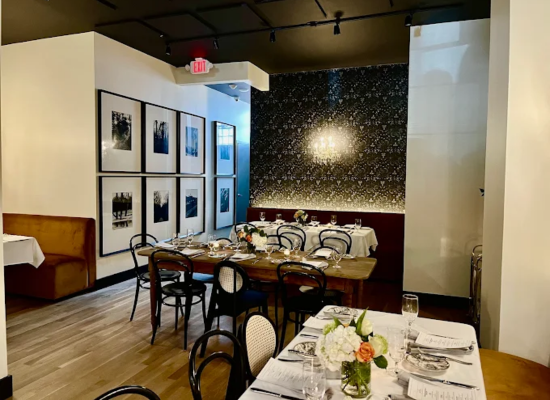
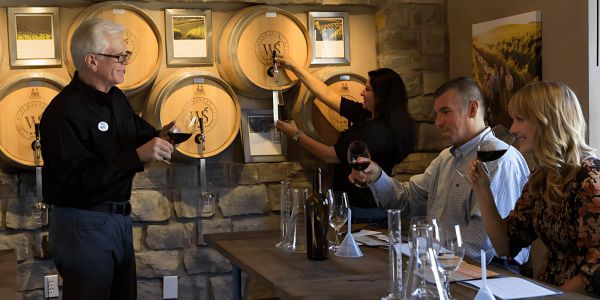
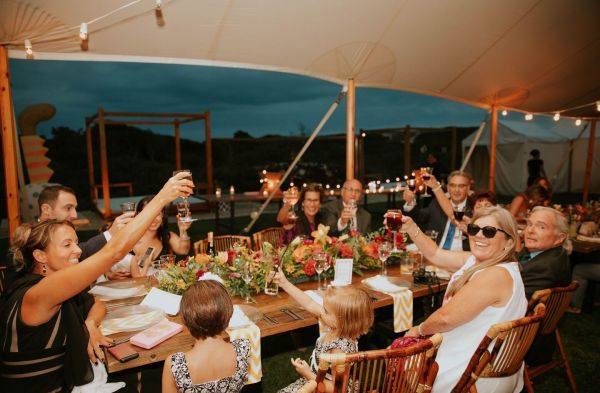
Petite Vie in Western Springs, IL
Paul’s answer, paraphrased: He offers small samples where available. His restaurants also offer half glasses or half pours of selected beverages, reducing the commitment in both price and consumption.
Insight for sommeliers: Portion size can influence a guest’s willingness to order. A smaller pour gives someone a way to explore a wine without committing to a full glass.
It may also suit guests who want a little wine with a particular course or who are moderating their consumption. For sommeliers considering this approach, the commercial work includes choosing suitable wines, setting clear prices and maintaining consistent pours.
Paul presents half pours as a sales tactic used at his restaurants; he does not provide a measured sales uplift. The opportunity for other operators is to test the format and track guest response, revenue, and wastage.
Paul’s answer, paraphrased: He first assesses their wine knowledge, including their understanding of Champagne versus Prosecco and Bordeaux versus Burgundy. He then recommends relevant reading, provides information and technical sheets for the restaurant’s wines, and lets them taste through the by-the-glass selections.
Insight for sommeliers: Effective training starts with understanding what a new employee knows. That helps you direct their learning and avoid leaving gaps beneath more advanced information.
Tasting the wines they will serve connects that learning to the dining room. Staff need to be able to describe a wine’s style, identify the guest who might enjoy it, and explain why it could work with a dish.
A useful first-week goal is for employees to become comfortable discussing the by-the-glass list. That gives them knowledge they can put to work immediately.
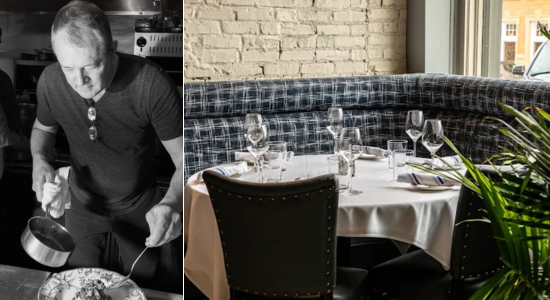
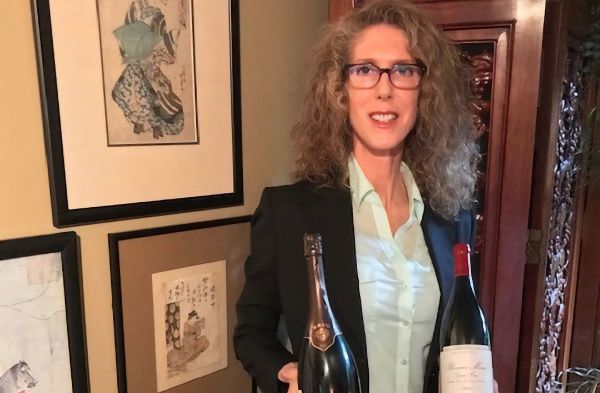
Paul Solomon oversees the wine programs at Vistro Prime in Hinsdale, Illinois, and Petite Vie in downtown Western Springs, working alongside Chef Paul Virant. He also serves as a judge at the Sommeliers Choice Awards. Petite Vie, Virant’s French café and brasserie, is located just around the corner from his former restaurant Vie, which closed in October 2023 after 19 years. Now celebrating two years in business, Petite Vie was named the Chicago Tribune’s Best New Restaurant of the Year in 2025 and earned a place among OpenTable’s 100 Best Brunch Spots in America for 2025.
Paul’s answer, paraphrased: He emphasizes checking invoices whenever they arrive to ensure pricing is accurate. He also encourages service staff to expand their comfort zones and introduce guests to unfamiliar options.
Insight for sommeliers: A profitable wine program depends on knowing what the restaurant is paying. Invoice discrepancies or changes in purchase costs can affect margins if they are missed.
Paul’s answer connects purchasing discipline with activity on the floor. Teams need accurate cost information, and they need the confidence to sell beyond a narrow group of familiar wines.
For beverage managers, this suggests two useful routines: review incoming prices consistently and keep staff engaged with the wider list.
Paul’s answer, paraphrased: A strong program stays true to the restaurant’s concept, includes thoughtful selections beyond mainstream producers, offers food-friendly wines, and covers a range of prices.
Insight for sommeliers: A wine list should give guests a sense of the restaurant while offering several comfortable ways to order.
Familiar selections can help guests find their bearings. Less familiar wines give the team opportunities to introduce something distinctive. A considered range of prices makes both discovery and repeat visits accessible to more people.
The buying question is whether each selection has a useful place in the program: who will enjoy it, what food will it suit, and how will the team explain it?
Paul’s answer: “Affordability, Deliciousness, Balance, Food Friendly.”
Insight for sommeliers: These four criteria provide a practical filter for restaurant buying. They connect the wine to the guest’s budget, enjoyment, and meal.
A producer’s reputation or an interesting story can support a recommendation, but the wine still needs to deliver in the glass. Applying a consistent filter can help buyers make decisions across different regions and styles while keeping the restaurant’s needs in view.
Paul’s answer, paraphrased: He reviews whether wines are selling, whether there is diversity in those sales, and whether any selections need to be reconsidered or replaced. He also looks for wines with compelling stories and considers featured pours to test interest.
Insight for sommeliers: Total wine revenue provides only part of the picture. A program may sell well overall while relying heavily on a few labels.
Reviewing the spread of sales helps identify wines that need attention. A slow seller might need a clearer description, renewed staff training, or an opportunity as a feature before a decision is made to replace it.
Paul’s approach encourages active management of the list. Selections should be revisited as the team learns how guests respond to them.
Paul’s answer, paraphrased: With ongoing discussion about declining wine consumption, particularly among younger generations, he wants suppliers to find creative ways to educate and interest people who are less familiar with wine.
Insight for sommeliers: Supplier support can extend into helping the restaurant communicate wine more effectively.
Approachable tastings, useful staff education and clear explanations of a wine’s style are possible ways to support that goal. The starting point is the guest: what would make this wine interesting and easy to understand for someone who does not already seek it out?
Paul’s answer gives buyers a reason to ask suppliers how they can help create curiosity at the table.
Paul’s answer, paraphrased: A good sommelier wants to care for the guest’s complete experience. That includes choosing a suitable wine and helping with everyday needs, such as replacing a napkin that has fallen on the floor.
Insight for sommeliers: Wine knowledge becomes useful through attentive service. Guests experience the whole meal, and the sommelier contributes to that experience beyond the bottle.
When hiring, Paul’s answer points toward observing how a candidate listens, responds to preferences, and supports the dining-room team. Technical knowledge matters, alongside the willingness to notice what a guest needs and act on it.
Paul’s answer, paraphrased: He describes gestures such as sparkling wine for an anniversary, a birthday dessert with a candle, or an extra accompaniment to a dish. He also stresses taking time to hear guest feedback and showing that it matters.
Insight for sommeliers: Personal attention does not always require a large gesture. Recognizing an occasion, noticing enjoyment of a dish or listening carefully to feedback can make a visit feel more considered.
These decisions need judgment in a business with slim margins. Their value comes from relevance to the guest and the moment.
Across Paul’s responses, an approachable wine program depends on several connected habits: making trial easier, preparing staff to guide guests, checking costs, and paying attention to what sells. For sommeliers, those habits offer practical ways to bring wine expertise into the everyday work of running a restaurant.
Also Read:
Konstantinos Kosmopoulos On Building Wine Programs That Balance Service, Storytelling, And Sales
How to Build a Profitable, Guest-Focused Restaurant and Beverage Program
10 Lessons from Ryan Hoffman on Empathy, Wine and Restaurant Operations