Educating Sommeliers Worldwide.
By Beverage Trade Network
The U.S. beverage alcohol market remains challenging, but wine and spirits are beginning to follow noticeably different paths.
According to the latest SipSource data released by Wine & Spirits Wholesalers of America, total wine and spirits volumes declined 6.8% over the 12 months ending in July 2026, while revenue fell 6.1%. During the latest three-month period, volumes were down 6.2%, and revenue declined 6.1%.
Although the overall numbers point to continued market contraction, the performance within each category tells a more nuanced story. Wine is beginning to show signs of improvement, while spirits continue to face pressure—particularly at premium price points.
Spirits volumes declined 5.7% during the latest three-month period, while revenue dropped by a steeper 7.1%. The difference between volume and revenue suggests that consumers are increasingly trading down, choosing more affordable brands or reducing purchases of higher-priced bottles.
The pressure is visible across every spirits price tier, with all segments declining by more than 5% in revenue.
Premium spirits have been particularly affected. Revenue from spirits priced above $50 declined 8.9%, while the $50 to $99.99 segment recorded a 9.5% fall.
For distillers and spirits brands, this signals a more value-conscious market. Premium positioning alone may no longer be enough to convince consumers to purchase. Brands will need to communicate more clearly what makes the product worth its price, while also considering accessible formats, promotional strategies, and cocktail applications that demonstrate value.
Wine remains in decline overall, but its recent performance offers more encouraging signals.
Wine volume declined 6.8% over the latest three months. However, that result represented an improvement of 110 basis points compared with June. Revenue fell by 4.2%, performing considerably better than the spirits category.
Higher-priced wines are also proving more resilient. Revenue performance improved among wines priced at $16 and above, while wines priced over $50 recorded revenue growth of 0.9% during the latest 12-month period.
This suggests that consumers may still be prepared to pay more for wine when the occasion, quality, and perceived value are clear. Premium wine buyers appear to be remaining more engaged than premium spirits consumers, even within a difficult overall market.
Sparkling wine is one of the most positive areas in the current market.
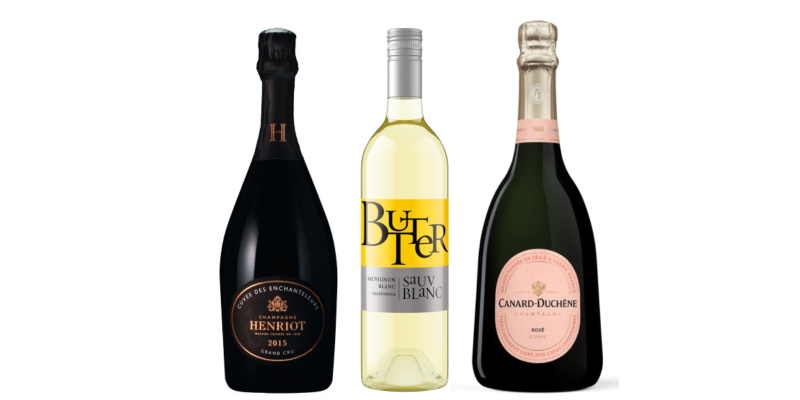
Champagne revenue increased 14.7% during the latest three-month period, while Prosecco grew 10.2%. Sauvignon Blanc also performed strongly, with revenue rising 3.2%.
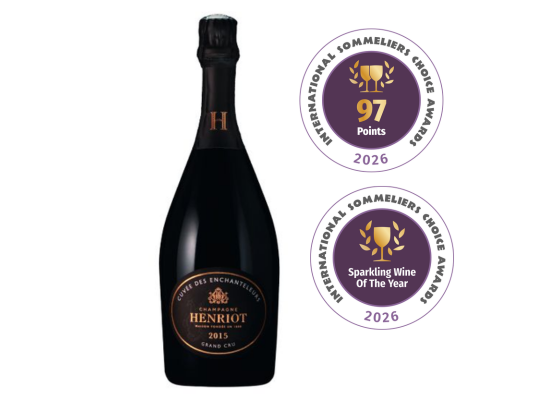
Cuvée des Enchanteleurs won Champagne of the Year at the 2026 Sommeliers Choice Awards with double gold and 97 points.
These results indicate that consumers are continuing to support categories associated with refreshment, celebrations and social occasions. The performance of Champagne and Prosecco may also reflect the importance of by-the-glass service, brunch occasions, spritz-style drinks and accessible sparkling-wine experiences.
For wineries, importers, distributors and restaurant buyers, these growing categories could offer opportunities for new listings, seasonal promotions and stronger by-the-glass programs.
One trend shared by both wine and spirits is the relative strength of the on-premise market.
Combined wine and spirits volumes in restaurants, bars and hospitality venues declined 2.8% over the latest 12 months. By comparison, off-premise volumes fell 7.5%.
The on-premise market is therefore not growing, but it is considerably outperforming retail. This reinforces the importance of restaurants and bars as places where consumers discover brands, explore new categories and remain willing to spend on beverage experiences.
For suppliers, securing menu placements and building relationships with sommeliers, bartenders and beverage directors may become increasingly valuable. Brands that can support staff education, provide effective serving suggestions and demonstrate strong by-the-glass or cocktail potential could be better positioned to succeed.
The divergence between wine and spirits means that producers should avoid treating the beverage alcohol market as one uniform category.
Spirits brands must respond to continued price sensitivity and weakening premium sales. Wine businesses, meanwhile, have an opportunity to build on improving momentum—particularly within sparkling wine, Sauvignon Blanc and selected premium price segments.
Across both categories, the stronger relative performance of the on-premise channel shows that hospitality remains an important route to consumers.
The second half of 2026 will reveal whether wine can maintain its improving trajectory and whether the spirits category can stabilize revenue at premium price points. What is already clear is that wine and spirits are no longer telling exactly the same market story.
Source: Wine & Spirits Wholesalers of America – SipSource, July 2026.
Also Read:
Champagne, Prosecco and Sauvignon Blanc Lead the Way in U.S. Wine Growth
Sommeliers Choice Awards Expands Its 2027 Program to Recognize Single-Serve Wines